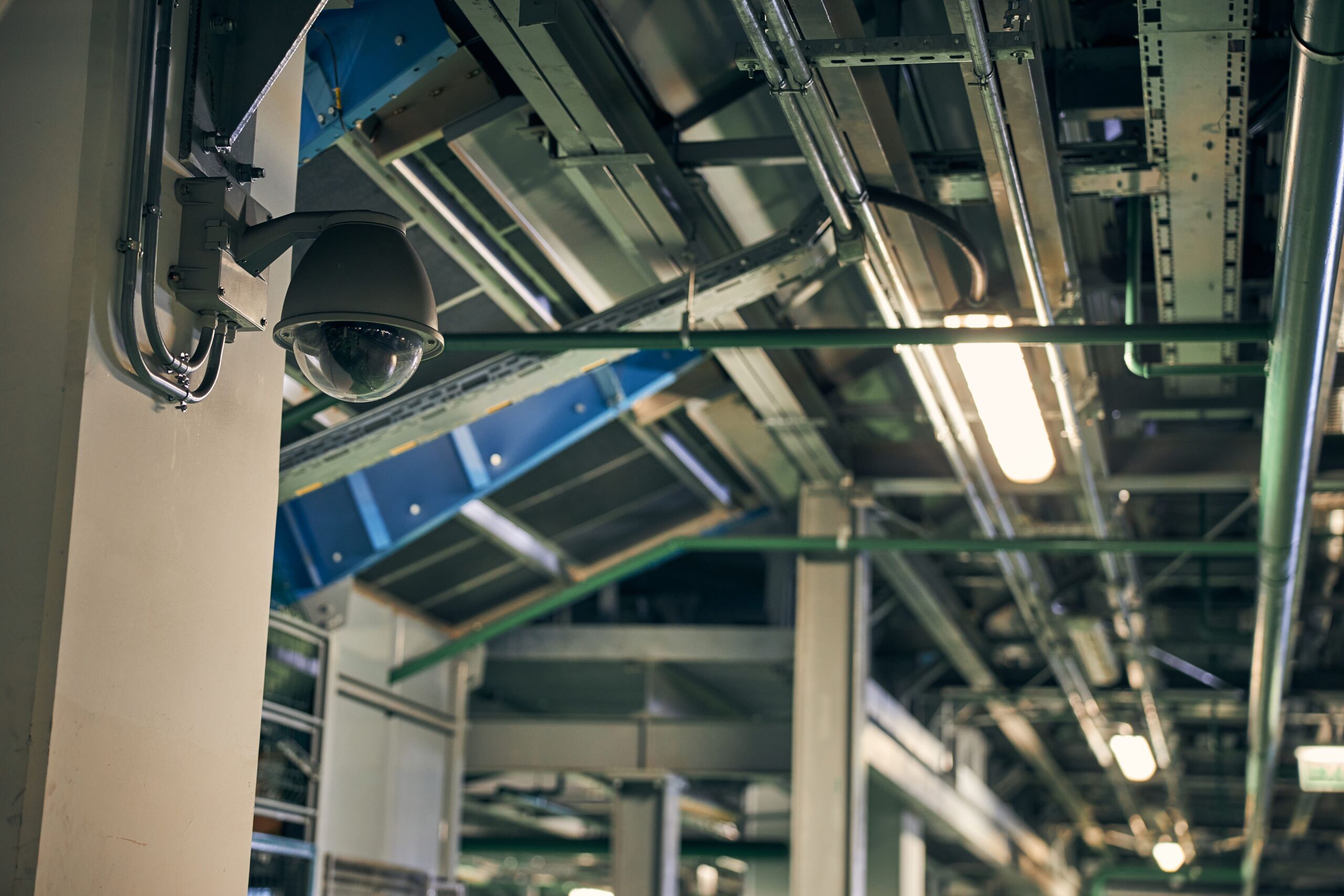
The cameras were already there. We just weren’t asking them the right questions.
A few years into my time at Disney, I was brought into an interesting challenge that had nothing to do with rides, character experiences or churros: how do you know when it’s time to empty the trash?
It sounds trivial. It isn’t. Multiply that decision across thousands of receptacles in a theme park, and you’re either overstaffing a mundane task or letting bins overflow in front of guests who paid a premium for a magical experience. The answer wasn’t a smarter schedule. It was a camera (that was already there) that could look at a bin and tell you, in real time, whether it was full. Around the same time, we were testing the same underlying idea to count cars filling a parking structure, to route cars to floors with open spaces, and to watch ride platforms for the split-second safety checks that used to depend entirely on a human’s attention span holding up for an entire shift.
None of those are necessarily glamorous use cases. That’s the point. The most valuable applications of computer vision are rarely the flashy ones. They’re the operational challenges; safety, experience, something else…
That’s changing fast, and I’ve spent the years since Disney watching the same pattern play out in in other industries, like gaming and hospitality.
From watching footage to understanding it.
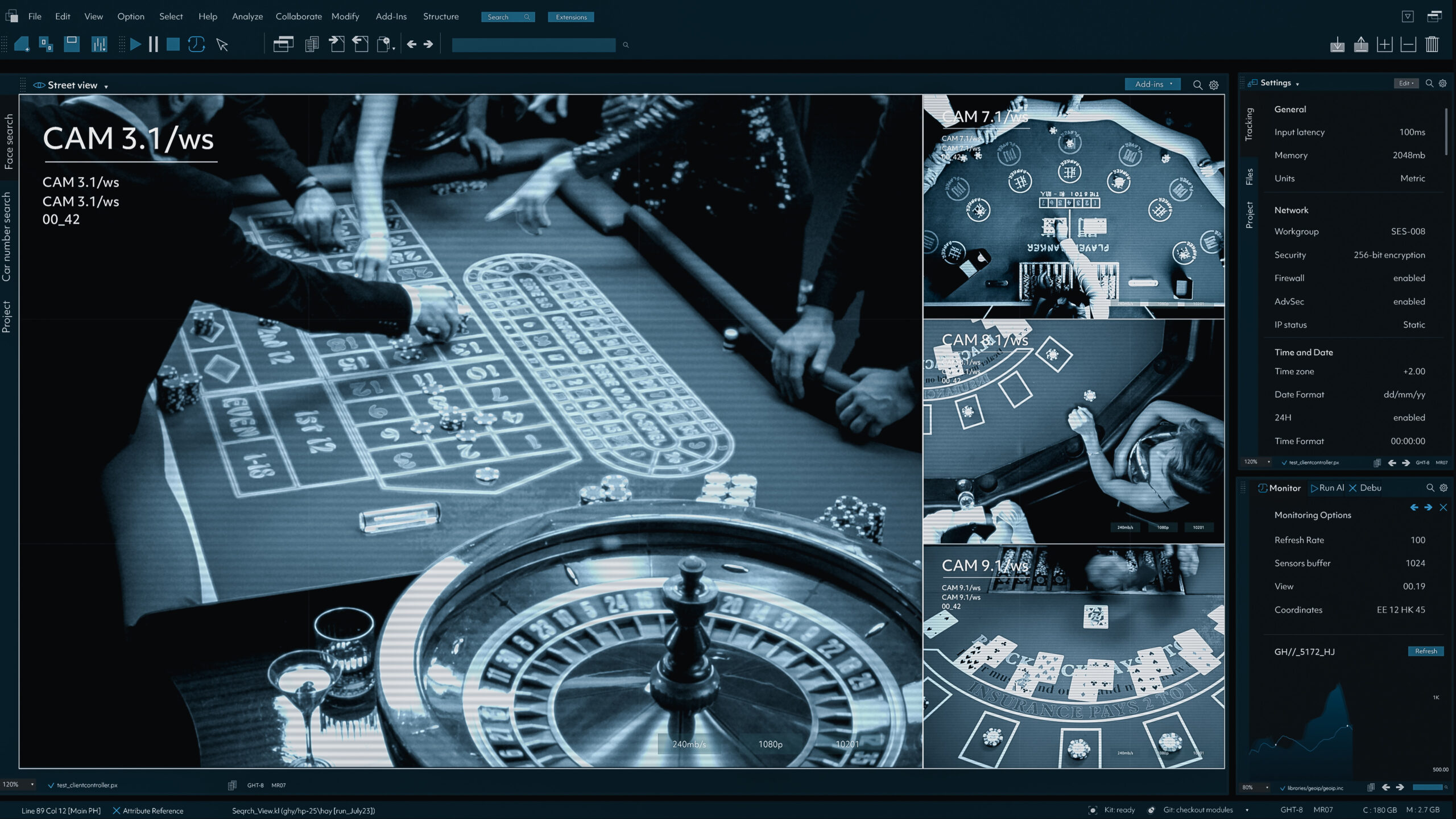
Casinos have had cameras everywhere for decades. Casinos are one of the most heavily regulated, camera-dense environments in commercial real estate. But for most of that history, the camera’s job ended at recording. A person, or a room full of people, had to do the actual interpretation: watching monitors live, reviewing footage and deciding what mattered.
 Computer vision changes what the camera itself can do. It doesn’t just capture the scene, it interprets it, in real time, at a scale no shift of human reviewers could match. At a recent industry gathering, live-dealer gaming platforms demonstrated systems that flag bet-capping, past-posting, and dealer payout errors as they happen rather than after a review, because live-dealer environments have exactly the controlled cameras, lighting, and table layouts that make this kind of detection reliable. That’s a meaningful shift: video becomes a catalyst to immediate action, and footage becomes something you can search and measure, not just something you eventually watch.
At Presidio, I’ve had the chance to help clients think through what that shift means for their own floors and properties, and the use cases tend to cluster around a few themes that will feel familiar if you’ve followed the Disney examples above.
Proactive safety and liability.
One of the clearest wins is spill detection. A wet floor near a slot bank or a casino cage is a liability incident waiting to happen, and traditionally the only way to catch it is if a staff member happens to walk by, or a guest falls first. A vision system trained to recognize a spill on the floor can flag it to housekeeping within seconds, the same instinct as knowing a trash can is full before it overflows, just with materially higher stakes: workers’ comp claims, guest injury, and insurance exposure instead of an unsightly bin.
Augmenting the people already doing the job.
An idea generating interesting conversations right now is the idea of a “virtual pit boss.” A pit boss’s job is fundamentally a vigilance problem: watch multiple tables, track chip counts, monitor betting patterns, and know when something on the felt doesn’t look right, for hours at a stretch. That’s exactly the kind of sustained-attention task where computer vision is strongest, not because it replaces the pit boss, but because it gives them a second set of eyes with a broad perspective a human could never have. It addresses the “be everywhere at once” dilemma, and provides valuable insights, whether that’s something amiss, or a rewards program/hospitality opportunity.
Reading the room, literally.
The third thread, and the one that surprises people most, is sentiment analysis. Casinos and hospitality operators have always wanted to know how a guest is really feeling: are they enjoying themselves at the table, unhappy about a meal, perhaps a bit off balance? Historically that’s guesswork based on complaint volume, a survey nobody fills out, or surveillance operated by a person. Vision-based behavior cues, applied thoughtfully and within the privacy frameworks operators already have to meet, gives floor managers and guest experience teams something closer to a real-time read, so a problem can be addressed while the guest is still on property instead of after they’ve already left a review.
Why Now
None of this is speculative. Gaming security vendors demonstrated bet-integrity vision systems commercially at this year’s World Game Protection Conference, and the broader AI-in-hospitality market is projected to nearly triple by 2030, growing at close to 30 percent annually as operators move from pilot projects to standard infrastructure. The technology has crossed from research into deployment, and the operators moving now are setting the baseline the rest of the industry will be measured against.
The Real Lesson
If there’s a common thread from the trash cans and parking lots to the pit boss and the casino floor, it’s this: the most valuable computer vision use cases usually aren’t the ones you’d pitch in a keynote. They’re the operational challenges everyone already knows about, the ones currently being solved by a person’s eyes and a lot of patience. If your organization has cameras pointed at a problem today and a person trying to keep up with what they show, there’s a good chance computer vision can help, and the interesting part of the conversation is usually figuring out exactly where.